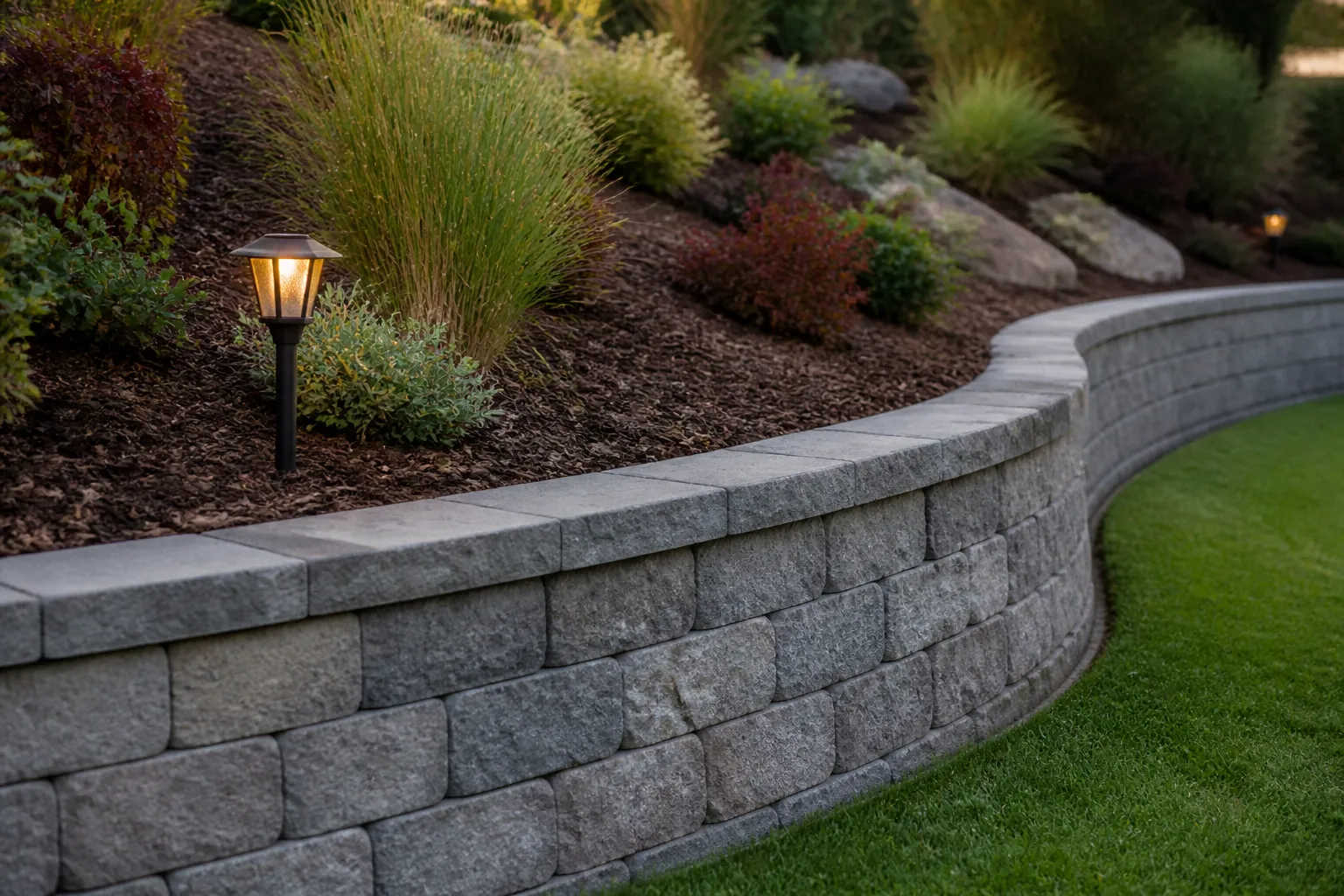
A leaning retaining wall, cracked blocks, or soil pushing through gaps can turn a tidy yard edge into a constant worry. When the wall starts shifting, drainage changes, and small failures can spread faster than most homeowners expect.
If you are planning a new retaining wall or replacing one that has started to fail, In The Mud Concrete can help you rebuild with a practical process from the first estimate through the finished structure. We handle retaining wall construction for Palo Alto, CA properties with clear communication, solid materials, and a straightforward approach that makes the scope easier to understand.
Retaining walls do more than mark a boundary. They hold back soil, shape usable space, and protect walkways, driveways, and planting areas from movement. When one starts to fail, the signs usually show up early if you know what to look for.
Not every wall needs full replacement, but once movement begins, patching alone often leaves the underlying problem behind. We look at the wall as a system, including base support, drainage, grade, and the condition of nearby concrete or soil.
Every retaining wall should match the purpose of the space it supports. Some walls are meant to hold a slope, while others frame a driveway, outline a garden edge, or create a cleaner transition between levels. We help you choose a build that fits the site rather than forcing a one-size approach.
In The Mud Concrete builds retaining walls with an eye toward structure first, appearance second, and long-term performance throughout. That matters because a wall can look fine on the surface while failing underneath from poor base prep or trapped water.
Retaining wall construction works best when each phase is handled in order. A rushed install can leave behind movement, drainage trouble, or uneven settlement. We keep the process easy to follow so you know what is being done and why.
That process helps keep the job organized whether the work involves a short boundary wall or a larger retaining structure tied to another concrete feature.
One of the biggest reasons retaining walls fail is water pressure behind the structure. Soil can hold moisture for a long time, and that weight adds stress the wall was never meant to carry without the right design. A wall that seems sturdy from the front may still be under strain behind it.
Good wall construction reduces that pressure by planning for the site, not just the shape you want to see above ground. When the drainage approach is part of the build, the wall has a better chance of staying stable and serving the property the way it should.
The right retaining wall should fit the rest of the property, but it also has to stand up to use. Some homeowners want a simple, clean look. Others want something that blends with patios, walkways, or decorative concrete nearby. We help you think through both the appearance and the structure.
Because we also handle concrete driveway installation, sidewalk replacement, stamped concrete patios, and decorative concrete finishes, we can coordinate retaining wall work with nearby hardscape elements when needed. That makes it easier to keep the project visually consistent.
Some retaining walls can be rebuilt from the ground up, while others are better served by partial reconstruction or demolition before a new wall goes in. The right call depends on how far the damage has spread and whether the existing base can still support the finished wall.
Concrete demolition can be part of that process when an old wall must come out before a new one can take shape. We keep the scope clear so you understand what is being removed, rebuilt, and finished.
Homeowners often want to know how retaining wall construction will affect the rest of the property. The process can involve excavation, grading, and access through the work area, so it helps to know what is coming before the first shovel breaks ground.
During a typical project, we focus on keeping the work organized and the site manageable. Dirtwork and excavation may be needed to prepare for the new wall, especially if the old structure has already shifted or the grade needs to be corrected. Once the wall is complete, the area is left ready for the next phase of your yard or hardscape plan.
We also provide free estimates, which gives you a chance to ask questions before committing to the work. If your wall is part of a larger update, we can discuss how the retaining wall fits with adjacent concrete surfaces and the rest of the outdoor layout.
Retaining wall construction should feel manageable, not overwhelming. At In The Mud Concrete, we keep the conversation direct and the process simple so you know what the wall is meant to do and how the work will move forward. That approach is especially helpful when a property has more than one concrete feature that needs attention at the same time.
Whether the project involves a failed wall, a new support structure, or a coordinated rebuild with surrounding concrete work, we bring 20-plus years of experience to the job. If you are planning retaining wall construction for Palo Alto, CA, we are ready to review the site, explain the options, and help you move from concern to a finished structure.
Look for leaning, cracking, separation, or soil pushing through the wall. If movement is visible, the wall should be evaluated before the damage spreads.
Sometimes, yes. It depends on how much of the wall has failed and whether the surrounding grade can stay mostly intact during the rebuild.
It helps hold soil in place, creates more usable space, and can protect nearby concrete surfaces from shifting ground or washout.
Many projects do. Excavation is often needed to remove failed material, prepare a stable base, and create the right shape for the new wall.
Yes. Retaining walls are often built alongside driveways, sidewalks, or other concrete features, and those surfaces should be considered during planning.
Share where the wall is failing, what you want the space to do, and whether you are also planning other concrete work nearby. That helps us recommend the right scope.
Get Started
Share what you need repaired, replaced, or rebuilt, and we will help you understand the next step for your concrete project.