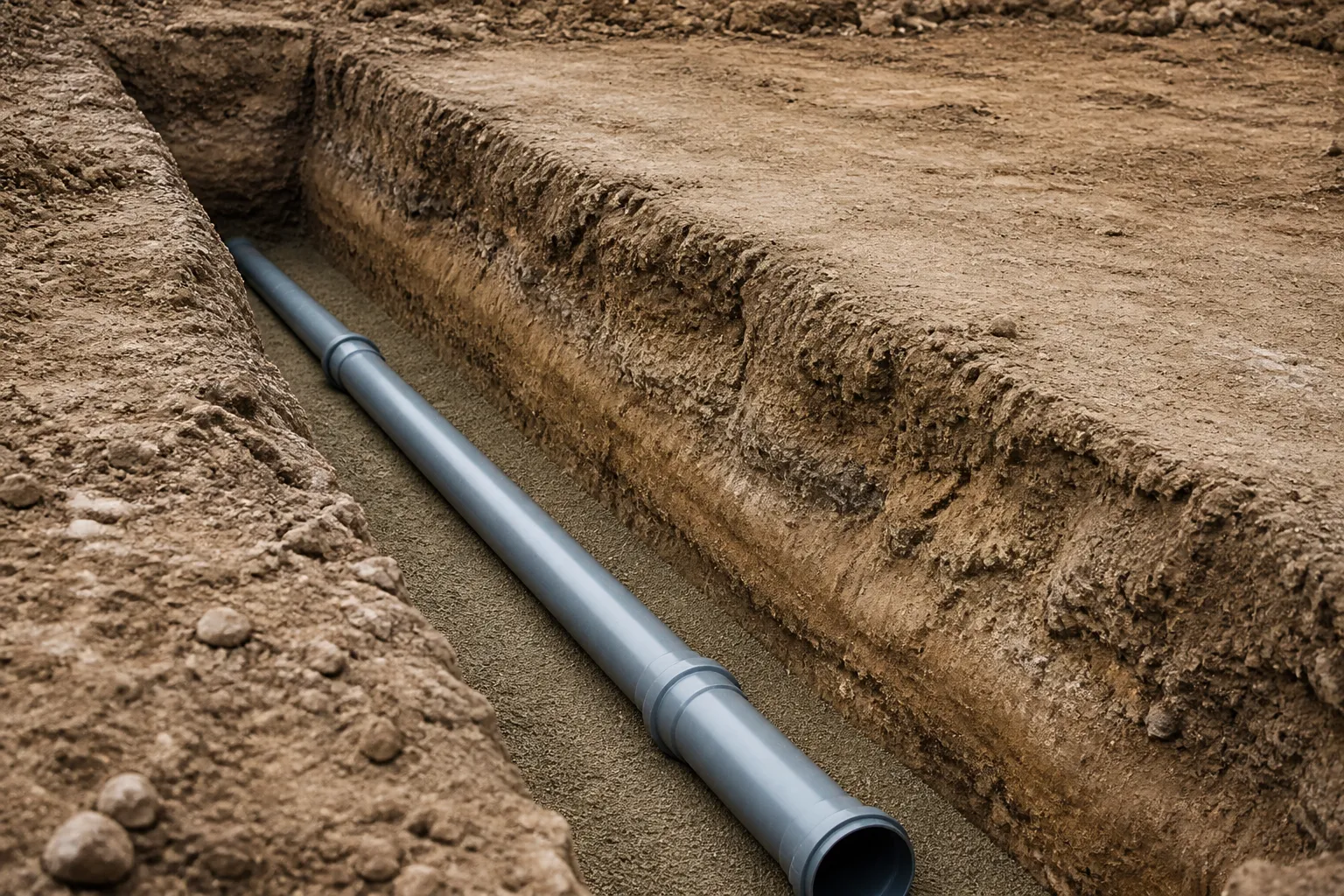
When a driveway starts sinking, a slab cracks from below, or a retaining wall needs rebuild support, the problem usually begins under the surface. You may notice uneven grades, loose soil, drainage changes, or concrete that no longer sits where it should.
That is where careful excavation matters. In The Mud Concrete helps homeowners and property owners across Palo Alto, CA prepare sites for concrete repair, reconstruction, and replacement with a straightforward process from the first estimate to the final cleanup.
Excavation is more than moving dirt. It is the step that creates the right base for concrete work, wall rebuilds, and slab replacement. If the existing material is unstable or the grade is off, the new work can inherit the same problems.
We look at the space with the finished project already in mind. That means accounting for access, depth, slope, removal needs, and how the area will support the concrete once the work is complete. For Palo Alto, CA properties, that planning helps avoid rushed cuts and wasted material.
Excavation often comes first when the current surface is failing or the structure below it has shifted. Common situations include:
Every site calls for a different approach. Some jobs need careful removal around existing structures. Others require deeper digging to reach stable ground or make room for rebuilt concrete features.
At In The Mud Concrete, excavation is commonly tied to concrete projects rather than treated as a separate guesswork step. That keeps the scope focused and helps the finished work match the space it was built for.
For driveway installation or concrete slab pouring, excavation creates the footprint for a stable base. We remove the material that no longer serves the project, shape the area for the intended layout, and prepare for the new pour.
Sidewalk replacement often starts with cutting out damaged sections and removing underlying debris or unstable soil. The excavation stage makes room for a cleaner edge, a better grade, and a smoother transition to surrounding surfaces.
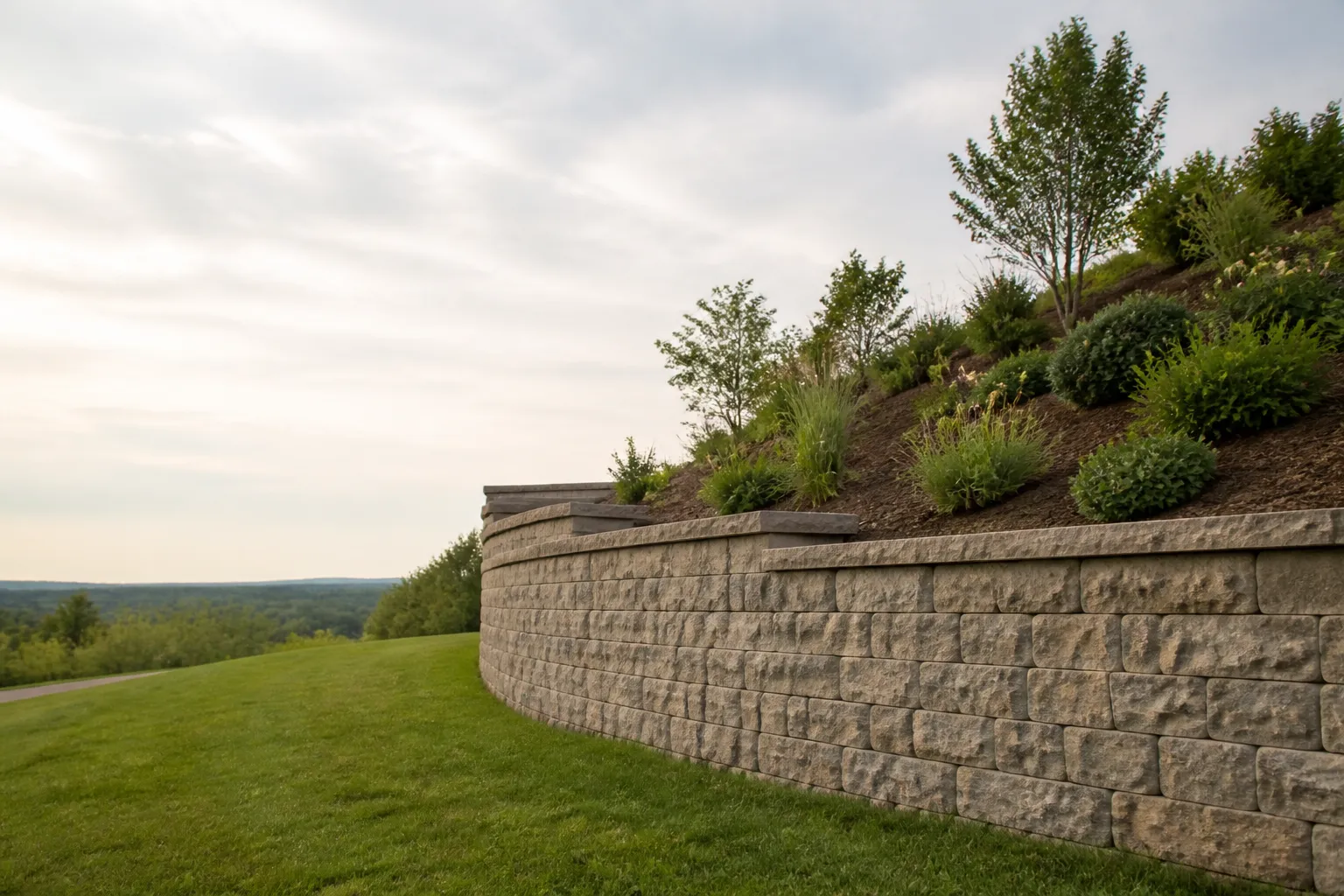
Retaining wall construction and rebuilding depend on the ground behind and beneath the wall. Excavation allows us to remove failed sections, prepare the support area, and create space for reconstruction that fits the site.
Good excavation follows a sequence. That sequence keeps the project organized and helps reduce surprises once the digging starts.
We look at the current conditions, the damaged areas, and the scope of the concrete work that follows. This helps define how much removal is needed.
Before digging begins, we identify the area to be opened so the project stays focused and the surrounding space remains manageable.
This can include old concrete, loose soil, or debris that stands between the existing surface and the new structure.
Once the area is open, we form the space for the intended work so the next phase can move forward without unnecessary rework.
After excavation, the site is ready for the concrete repair, replacement, or reconstruction that follows.
Excavation requests usually start with visible surface damage, but the real cause often sits below it. A cracked slab may point to poor support underneath. A tilting retaining wall may suggest the soil behind it has shifted. A driveway that dips can signal the base is no longer holding up.
In Palo Alto, CA, property owners often want a clear explanation of what needs to be removed and what can stay. We keep the process direct so you know what the digging is solving and how it connects to the final concrete work.
Excavation works best when it is matched to the project that follows. That is why we use it for concrete driveway installation, sidewalk replacement, retaining wall construction, concrete resurfacing prep, and foundation repair-related site work.
The goal is not just to dig. The goal is to prepare the site so the next phase has the right room, shape, and support. When the base is ready, the repair or replacement can move ahead with fewer interruptions.
A poor base can shorten the life of a new surface. A clean, shaped excavation gives the project a better starting point. That matters whether the work is a new slab, a reconstructed wall, or a driveway rebuild.
We do not dig more than the project calls for. Clear scope helps protect nearby features and keeps the work centered on what actually needs to be addressed.
Many people call after they have already seen damage. Others know something feels off but are not sure what the next step should be. Excavation is often the first visible move toward a lasting fix.
Homeowners usually want three things: a clear explanation, a clean site, and a path forward. That is what this service is built around. Once the area is opened, the issue becomes easier to evaluate and the concrete work can be planned with more confidence.
Excavation is part of a larger concrete process, so the job is not finished when the digging ends. We keep the work area organized and move the project toward the next phase with the least amount of disruption possible.
That includes clearing away removed material, leaving space ready for the concrete work to follow, and making sure the site reflects the plan discussed at the start. For property owners who want straightforward communication, that process makes the project easier to follow.
Excavation is often needed for driveway replacement, sidewalk replacement, retaining wall construction, slab pouring, foundation repair, and other concrete work that depends on a stable base.
Yes. If a slab, driveway, or sidewalk has settled, excavation can expose the affected area so the damaged material and unstable base can be addressed before new work begins.
No. Some projects require targeted digging around a specific section, while others need broader removal. The scope depends on the condition of the site and the work planned after excavation.
Excavation gives access to the area behind or beneath the wall, which is needed for removal, reconstruction, and preparing the support area for the new build.
Expect a review of the site, a discussion of the scope, and a clear plan for what will be removed. The goal is to make the process understandable before any digging begins.
It can be, especially when damaged sections need to be removed or the site needs reshaping before resurfacing begins. The right prep helps the new surface start from a better base.
If you need excavation for concrete work across Palo Alto, CA, In The Mud Concrete can help prepare the site for repair, replacement, or reconstruction. Reach out for a free estimate and a clear next step.
Get Started
Share what you need repaired, replaced, or rebuilt, and we will help you understand the next step for your concrete project.